
Information from the NHS website
A keloid scar is a raised scar left on the skin after a wound has healed. You cannot get rid of it, but treatment can help improve how it looks.
Symptoms of a keloid scar
A keloid scar usually appears a few weeks to years after you damage or injure your skin, such as after a cut, burn or acne.
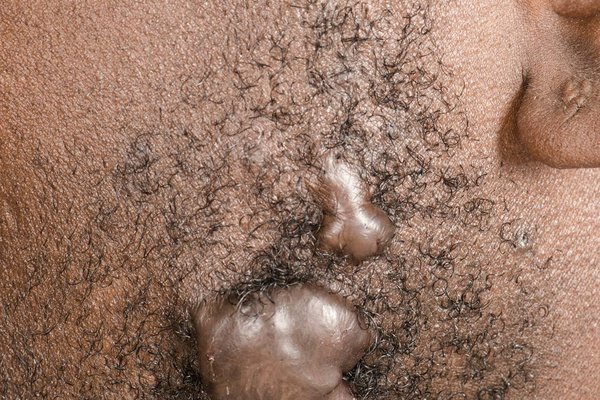
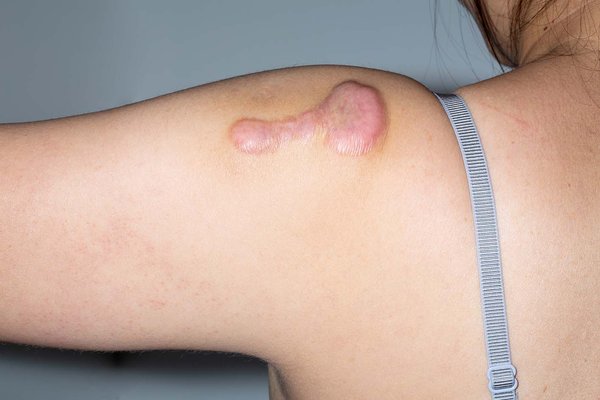
A keloid scar usually grows for months or years and becomes bigger than the original wound.
While it's growing, it may feel itchy or painful. This usually stops once it's finished growing.
If it's on or near a joint, the joint can be uncomfortable or difficult to move.
If you're not sure if it's a keloid scar, find out about other types of scars.
- you think you have a keloid scar and it's bothering you
The GP can recommend treatments to improve how it looks. Getting treatment early may help stop the keloid scar growing.
Treatment for keloid scars
You cannot get rid of a keloid scar, but there are treatments that can help improve how it looks and reduce irritation.
Treatments may include:
- steroid injections or cream
- silicone dressings or gels
- cryotherapy (a treatment to freeze the keloid scar)
- laser therapy
Surgery to remove the keloid scar is not usually recommended because it's likely to grow back bigger.
Causes of keloid scars
A keloid scar is when a scar keeps growing and becomes bigger than the original wound.
It can happen if you have too much of a substance called collagen in your skin.
It can happen after any sort of injury or damage to your skin such as a cut, burn, surgery, acne or a body piercing.
You're more likely to get a keloid scar if you:
- are of south Asian, Chinese, African Caribbean or Black African origin
- are aged 10 to 30 years
- are pregnant
- have had a keloid scar before
How to reduce your risk of getting keloid scars
You cannot prevent keloid scars, but if you are more likely to get them it's recommended to avoid getting tattoos and piercings.
It's also recommended to get early treatment for acne to reduce the risk of scarring.

Page last reviewed by the NHS: 7 February 2023. Information from the NHS website is licensed under the Open Government Licence v3.0. Doorstep Pharmacy does not change NHS content.